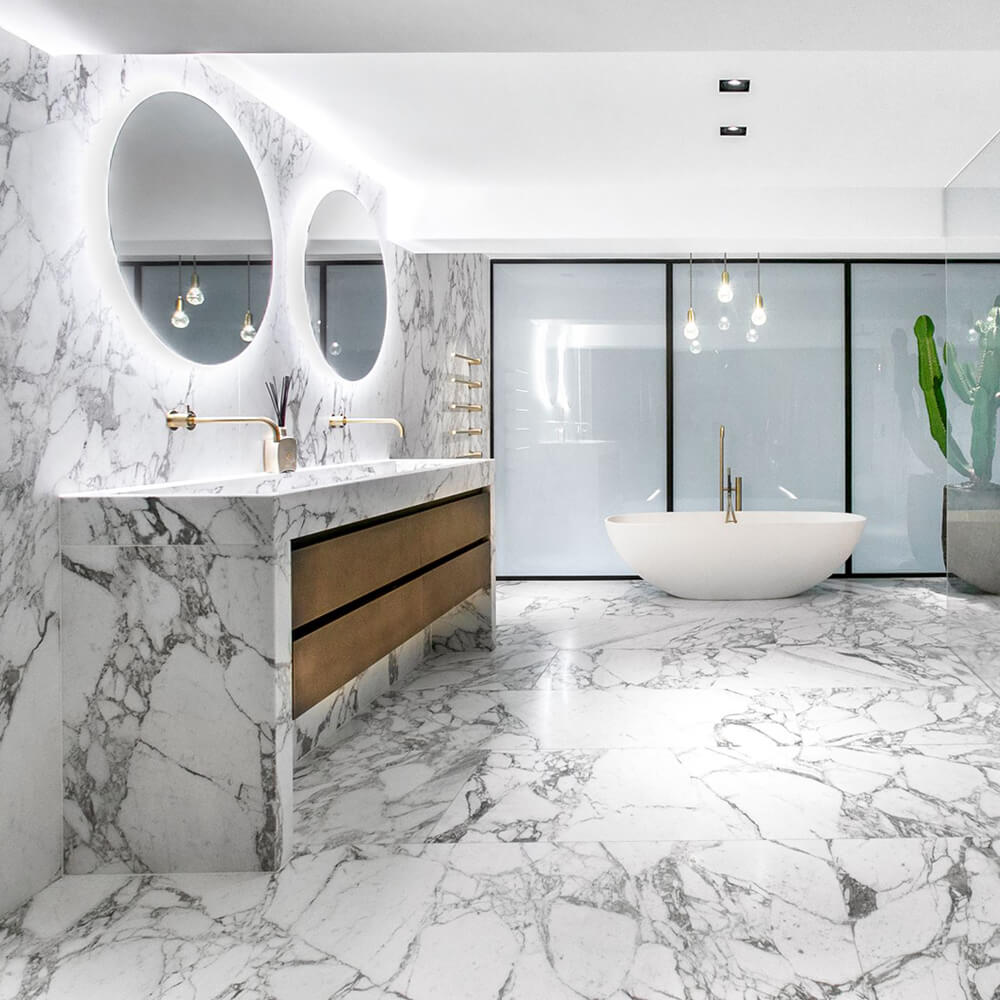
Bathroom tiling ideas work best when they relate to the whole room. Colour, texture and layout can create a quiet backdrop or make one area a feature. Before choosing individual tiles, consider how they will sit alongside your fittings, lighting and storage.
Create a calm backdrop
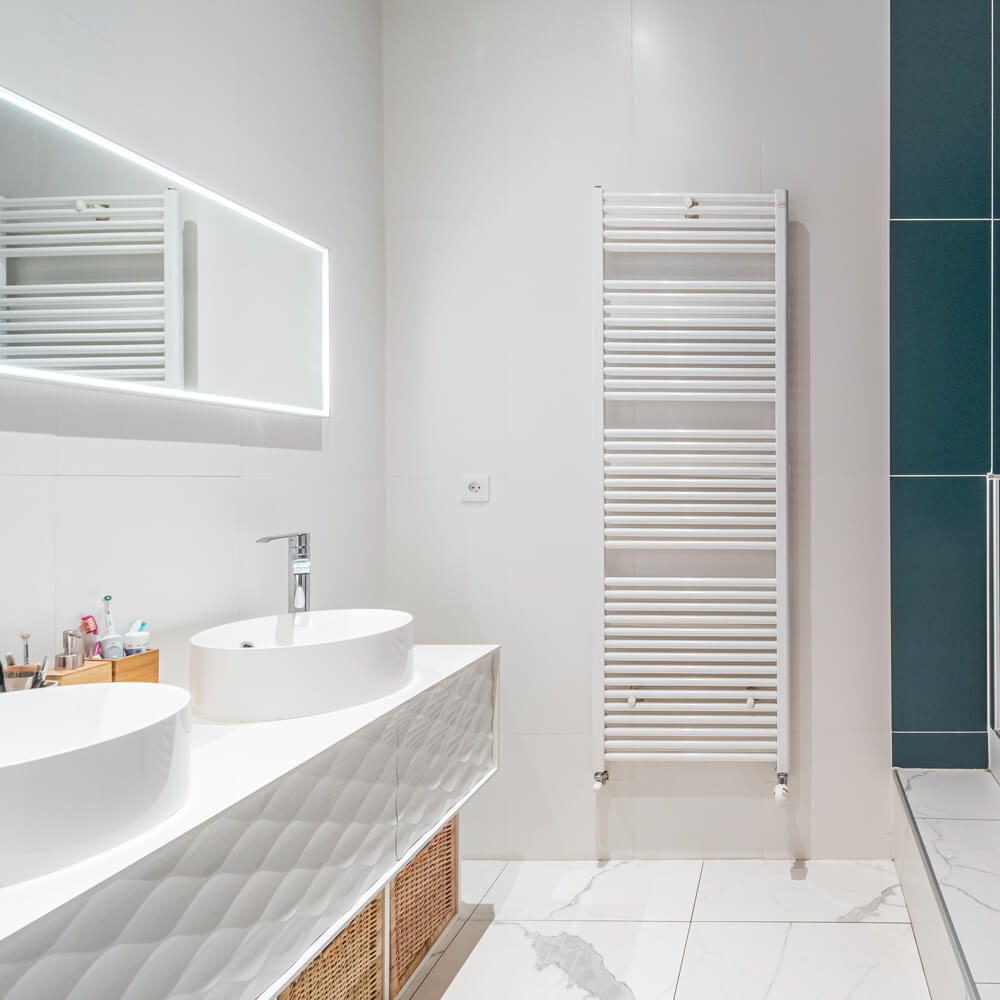
Soft beige, warm grey and off-white tiles can provide a simple starting point for a bathroom design. Subtle variations in tone give a surface depth without a bold pattern.
Compare samples in the room where possible. Daylight, artificial lighting and nearby finishes can change how a tile appears. Look at the sample from different angles rather than judging the colour from a screen alone.
Give one area a stronger identity
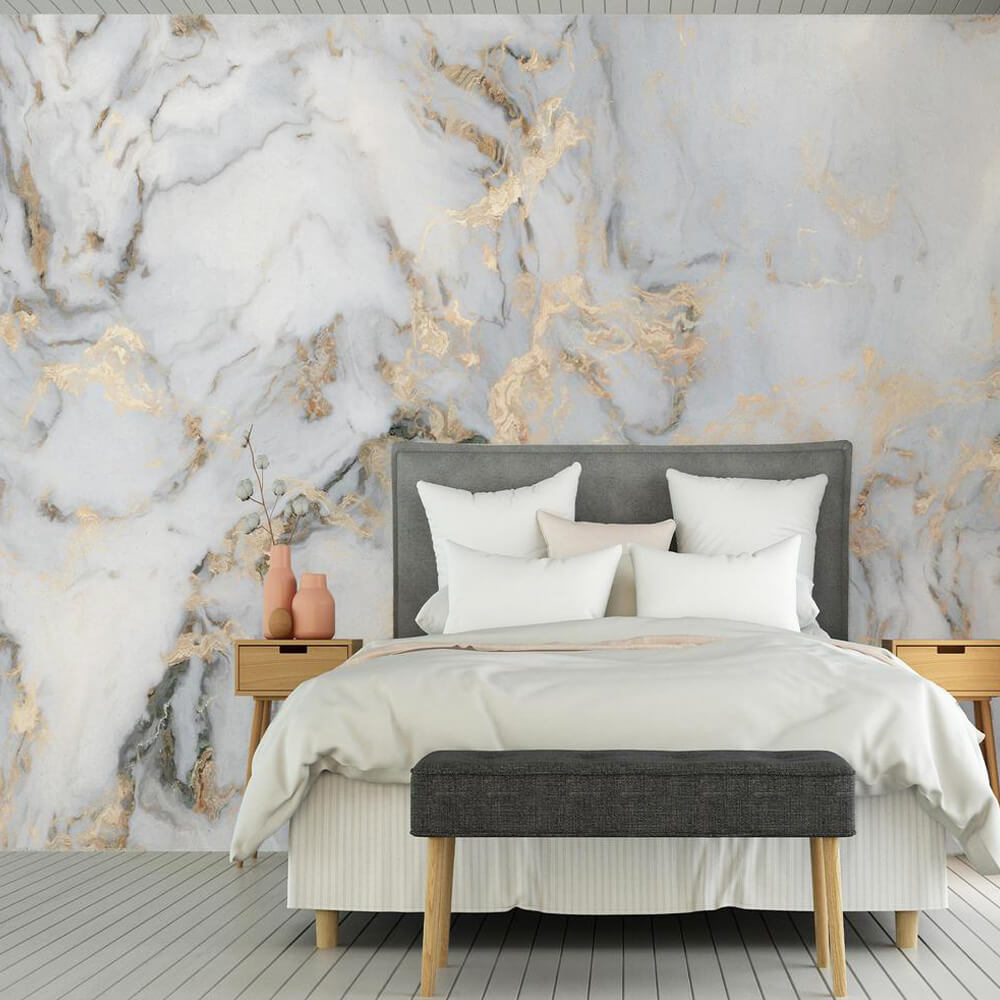
A decorative wall can define a shower area or the space behind a basin. Ribbed textures, contrasting colours or a different laying pattern can draw attention to a particular part of the room.
Choose where you want that emphasis, then consider the surrounding surfaces. Textured tiles also deserve a practical check: ask the supplier about cleaning and whether the product is suitable for its intended location.
Consider large format tiles
Larger tiles create fewer grout joints across a surface, which can give a more continuous appearance. Their effect depends on the layout and proportions of the room.
Discuss the size and position of cuts before installation, especially around corners, windows and fittings. Your installer should assess the background and preparation required for the selected tile system. A small sample cannot show every detail of a full tile layout.
Make niches part of the design
A recessed niche can provide a place for toiletries without a shelf projecting into the room. Its proportions can echo the tile layout or create a deliberate contrast.
The wall construction, nearby services and waterproofing approach all need consideration before the niche is built. Agree on its position and intended use early. Where lighting is planned, it should be coordinated with the appropriate trades.
Pay attention to grout and edges
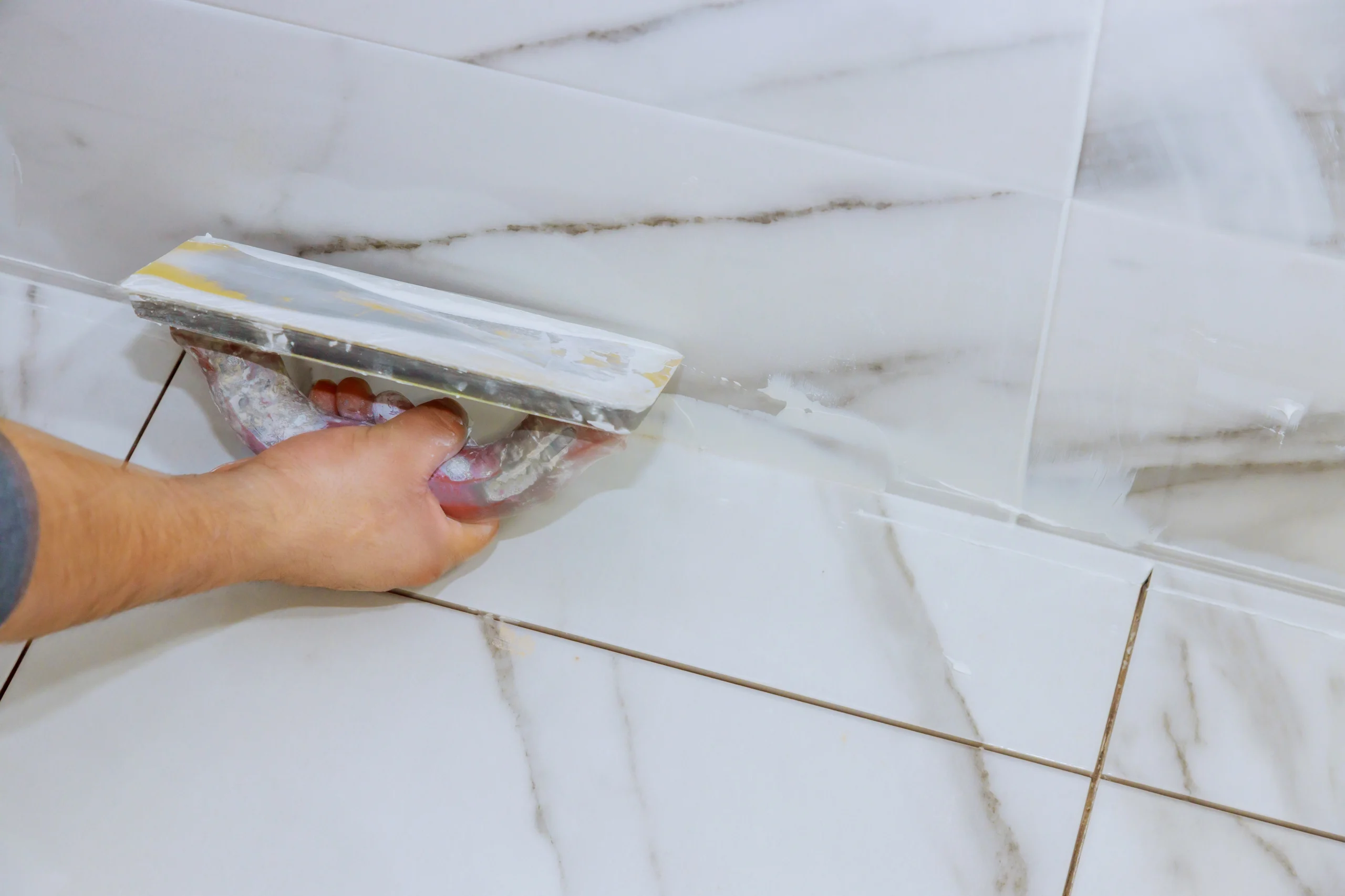
Grout colour affects how strongly the tile pattern stands out. A close match can give a softer effect, while a contrasting shade makes the joints more prominent. View a grout sample beside your chosen tile.
Edges, trims and transitions between materials also shape the finished appearance. Ask how visible corners and junctions will be treated, and confirm care instructions for the tiles, grout and sealants.
Bring your tiling ideas together
Before ordering, confirm that each product is suitable for its intended wall or floor position, including wet areas where relevant. Discuss quantities and spare tiles with your installer so cuts and future repairs can be considered.
Contact DIA Team Bathrooms to discuss bathroom tiling, decorative walls and niche details for your renovation.